What Are Refugee Tents Made Of? Materials, Standards, and Why It Matters
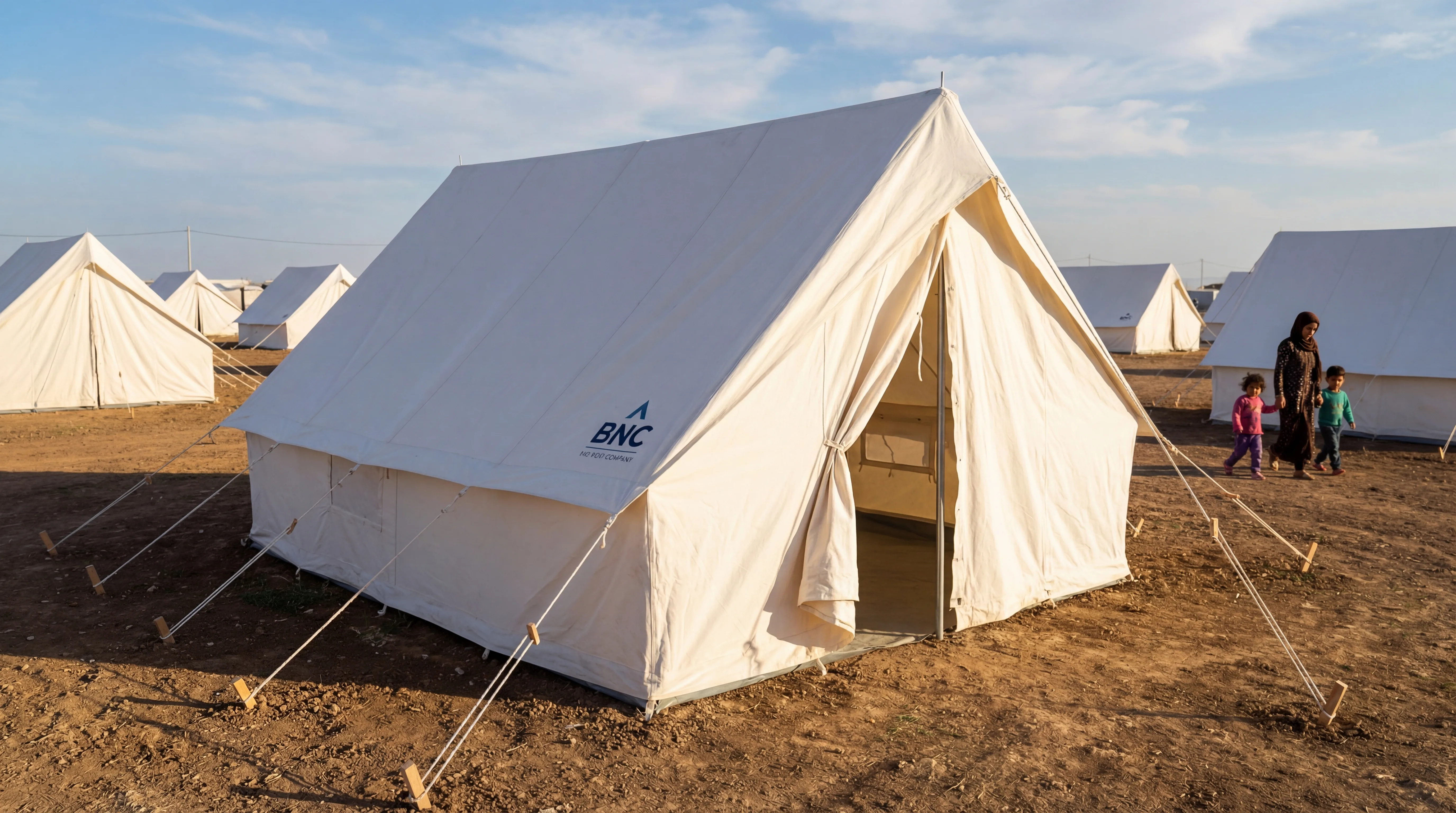
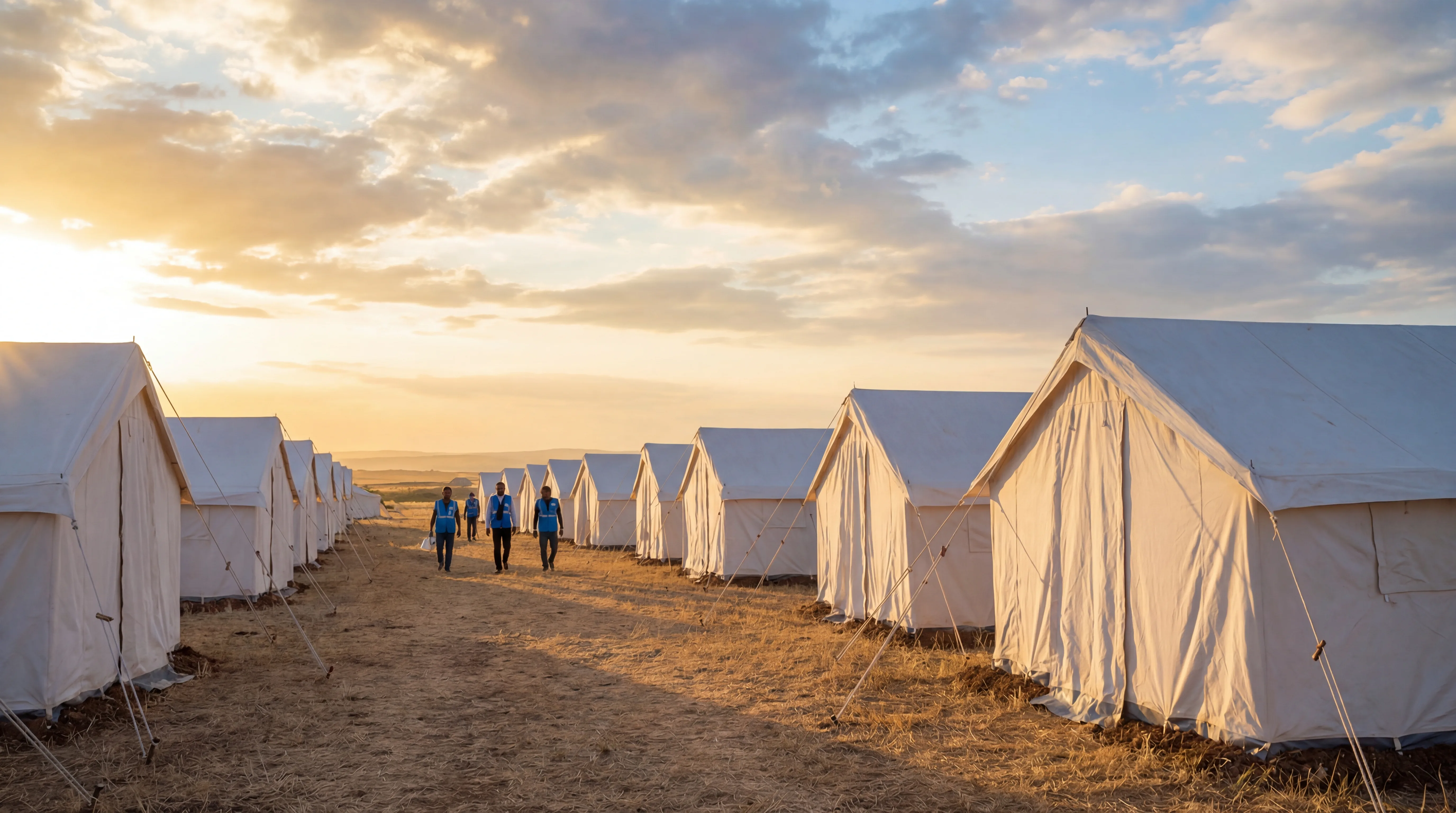
If you have ever looked at a photo of a refugee camp and wondered what those white tents are actually made from, the answer is usually cotton canvas. But the full picture is more interesting than that, and the material choice has real consequences for the people living inside.
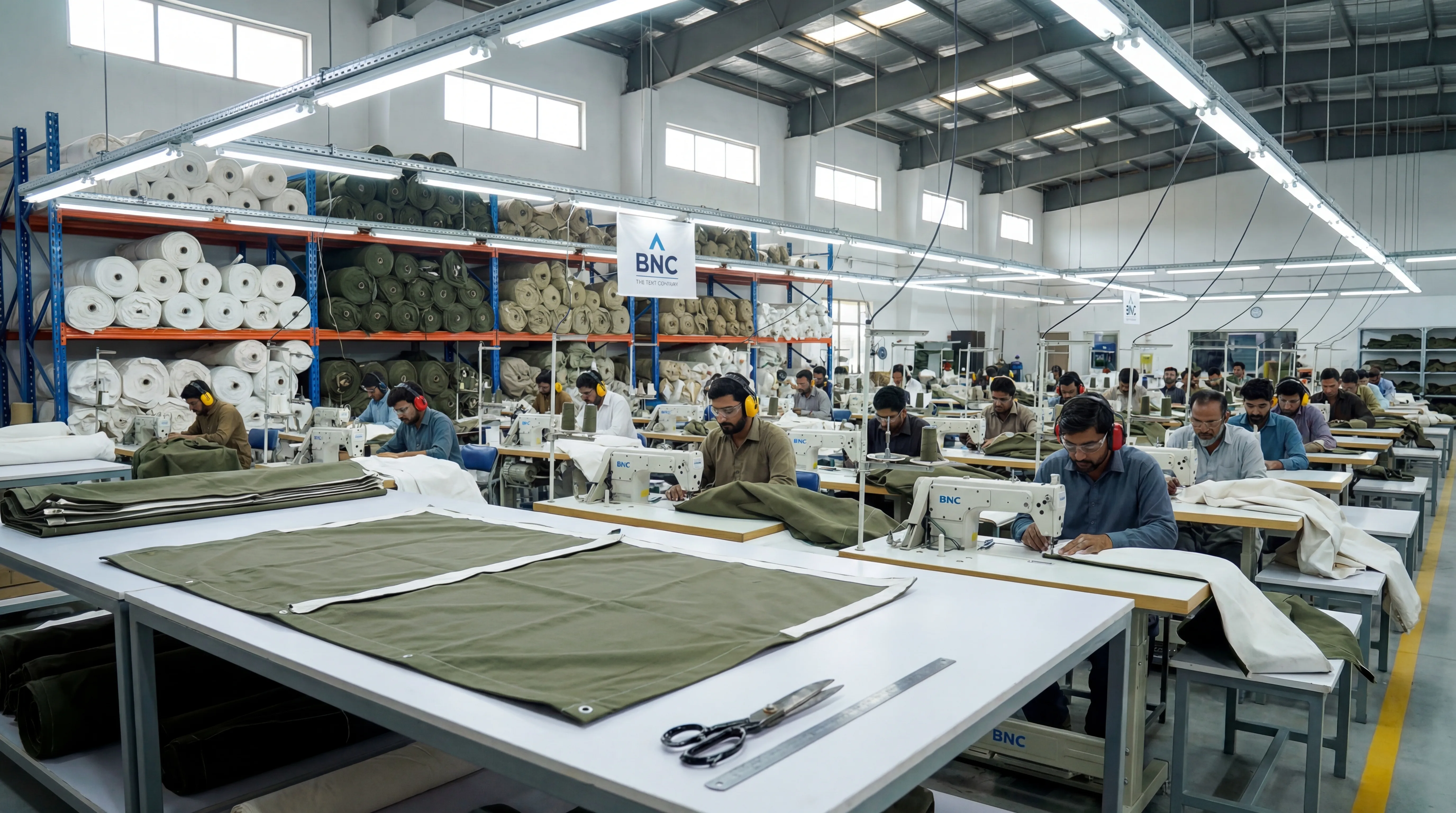
We have been manufacturing refugee tents since 1994. In that time, we have shipped tents to camps in Syria, Afghanistan, Pakistan, East Africa, and dozens of other places. The material question comes up in almost every procurement conversation, so here is a straightforward breakdown of what goes into these shelters and why.
The three main fabric options
Refugee tents are made from one of three materials: cotton canvas, polyester, or PVC-coated fabric. Each has its place, but they are not interchangeable.
Cotton canvas
This is the standard for most humanitarian organizations, and it is what we produce the most of at our factory in Karachi. Cotton canvas for refugee tents is typically 350 to 400 GSM (grams per square meter). The UNHCR standard calls for a minimum of 350 GSM for family tents.
What makes cotton canvas work well in refugee settings is breathability. In hot climates — which is where most camps are located — a cotton tent allows air to pass through the weave, keeping the interior several degrees cooler than a synthetic tent. In cold weather, the thicker cotton fibers provide better insulation than polyester. And when treated properly, cotton canvas is naturally resistant to UV degradation, which matters when a tent will sit in direct sunlight for months or years.
The trade-off is weight. A cotton canvas tent will weigh 30 to 50 percent more than a comparable polyester tent. That adds to shipping costs, especially for air freight. But for long-term camp deployments, the durability advantage usually outweighs the shipping penalty.
Polyester
Polyester tents are lighter and cheaper to ship. They are made from woven polyester fabric, usually 150 to 250 GSM, with a polyurethane (PU) coating for waterproofing. You see these used more often in emergency first-response situations where weight matters and the tent will only be needed for weeks, not months.
The problem with polyester in long-term use is heat. A polyester tent in 40-degree heat becomes an oven inside. The fabric does not breathe, so moisture builds up and creates condensation. Over several months of UV exposure, the PU coating breaks down and the tent starts leaking. Replacing a polyester tent every six months costs more in the long run than buying a cotton canvas tent that lasts two to three years.
PVC-coated fabric
PVC (polyvinyl chloride) coated polyester is the heaviest and most waterproof option. It is used for larger structures — warehouse tents, medical tents, community spaces — where you need a completely sealed, durable shell. PVC fabric for tents is usually 500 to 650 GSM.
PVC is not used for family-size refugee tents because it has zero breathability, it is expensive, and it is heavy. But for a field hospital or distribution center, it is the right choice.
What GSM means and why it matters
GSM stands for grams per square meter. It is the standard measure of fabric weight and, roughly, fabric density. Higher GSM means a thicker, heavier, more durable fabric.
Here is how the numbers break down in practice:
- 150-250 GSM: Lightweight polyester. Fine for a weekend camping tent. Not suitable for refugee shelters that need to last months.
- 280-320 GSM: Medium-weight cotton canvas. Used for smaller utility tents like bathroom privacy tents and storage covers.
- 350-400 GSM: Standard weight for humanitarian family tents. This is what UNHCR, ICRC, and IFRC specify. It gives the right balance of durability, insulation, and packability.
- 450-510 GSM: Heavy-duty canvas. Used for military tents and tents that need to withstand harsh conditions for years, not months.
- 500-650 GSM: PVC-coated fabric for warehouse and medical structures.
When we manufacture refugee tents, we use 380 GSM cotton canvas as our standard. This exceeds the minimum UNHCR requirement and gives a margin of durability that matters over a two-year deployment.
Waterproofing treatments
Raw cotton canvas absorbs water. To make it suitable for a refugee tent, the fabric needs to be treated before it is cut and sewn. There are several treatment methods.
Wax and paraffin treatment is the traditional method. The canvas is passed through a bath of melted paraffin or wax compound, which fills the gaps between the cotton fibers. This makes the fabric water-resistant while preserving breathability. The downside is that the treatment wears off over time and needs reapplication.
Silicone-based treatment bonds to the cotton fibers at a molecular level and lasts longer than paraffin. It also has less impact on the fabric's breathability. This is what most modern manufacturers use for humanitarian tents.
Acrylic coating is sometimes applied to the outer surface as an additional layer of water resistance. It also helps with UV protection, slowing down the rate at which sunlight degrades the cotton fibers.
At our factory, we treat canvas before cutting, not after. This is a detail that matters — if you treat the fabric after sewing, the seam edges do not get full coverage, and those are exactly the spots where water gets in first.
Frame materials
The fabric gets the most attention, but the frame is what keeps the tent standing in a storm. Refugee tent frames use one of these materials:
Hot-dip galvanized steel is the standard for UNHCR-specification tents. The steel poles are coated with zinc by dipping them in molten zinc, which creates a thick, corrosion-resistant layer. This is more durable than electro-galvanized steel (which uses a thinner zinc coating applied electrically). Galvanized steel poles will last 5+ years in the field without rusting.
Aluminum is lighter than steel and naturally corrosion-resistant. It is used in rapid-deployment tents where weight savings matter for airlift. The trade-off is that aluminum is less rigid and more expensive.
Wood is sometimes used in very basic shelter designs, especially when manufactured locally. It is cheap but heavy, and it rots in wet climates. You will not see wood frames on tents that ship internationally.
Why cotton canvas dominates in hot climates
Most of the world's refugee camps are in hot places — the Middle East, sub-Saharan Africa, South Asia. In these climates, the breathability of cotton canvas is not a nice-to-have, it is a health issue.
A sealed polyester tent in 45-degree heat can reach 60-65 degrees inside during the afternoon. That is genuinely dangerous, especially for children and elderly people. A cotton canvas tent of the same size, under the same conditions, will be 10 to 15 degrees cooler inside because air moves through the fabric weave.
This is the single biggest reason why UNHCR and other agencies specify cotton canvas for family shelters in warm regions. The material literally saves lives.
UNHCR material standards
The UNHCR publishes detailed technical specifications for every product it procures, including tents. For family tents, the material standards include:
- Cotton canvas minimum 350 GSM after treatment
- Waterproofing: fabric must withstand 450mm water column pressure test
- Tear strength: minimum 400N warp, 350N weft
- UV resistance: fabric must retain 80% of tensile strength after 500 hours of accelerated UV exposure
- Rot and fungus resistance: canvas must pass ISO 11721 test for resistance to micro-organisms
- Color: white or off-white (for heat reflection; dark colors are not acceptable)
These standards exist because early refugee tents had serious quality problems — fabrics that rotted within weeks, seams that split in rain, poles that bent in wind. The current specifications are the result of decades of field experience and failure analysis.
If you are procuring tents for humanitarian use, verifying that the manufacturer actually meets these standards — not just claims to — is part of the job. We have been a registered UNHCR supplier for years, which means our products have been independently tested and verified against these specifications.
Ground sheets and accessories
The tent fabric is only part of the picture. A complete refugee tent kit includes a ground sheet (usually PE — polyethylene — at 180-200 GSM), galvanized steel poles and pegs, nylon or polypropylene guy-ropes with tensioners, and a repair kit with extra fabric and thread.
The ground sheet matters because a tent without one is just a roof. Moisture from the ground seeps up through soil and turns the interior into a cold, damp space. A PE ground sheet creates a moisture barrier and provides a clean floor surface.
Bottom line
Refugee tents are engineered products, not just pieces of fabric on poles. The material choices — cotton canvas weight, waterproofing treatment, frame material, ground sheet spec — all directly affect how well the shelter performs and how long it lasts. When thousands of families depend on these shelters, getting the materials right is not optional.
If you are involved in procurement and want to talk specifics about materials for your project, we are happy to go into detail. That is what 30 years in this business gets you — a lot of opinions about canvas weights and waterproofing treatments.