Canvas Wall Tent Buying Guide: What to Look for Before You Buy
A canvas wall tent is one of those purchases that either becomes your favorite piece of gear for the next decade or becomes an expensive regret within two seasons. The difference comes down to knowing what to look for before you hand over your money.
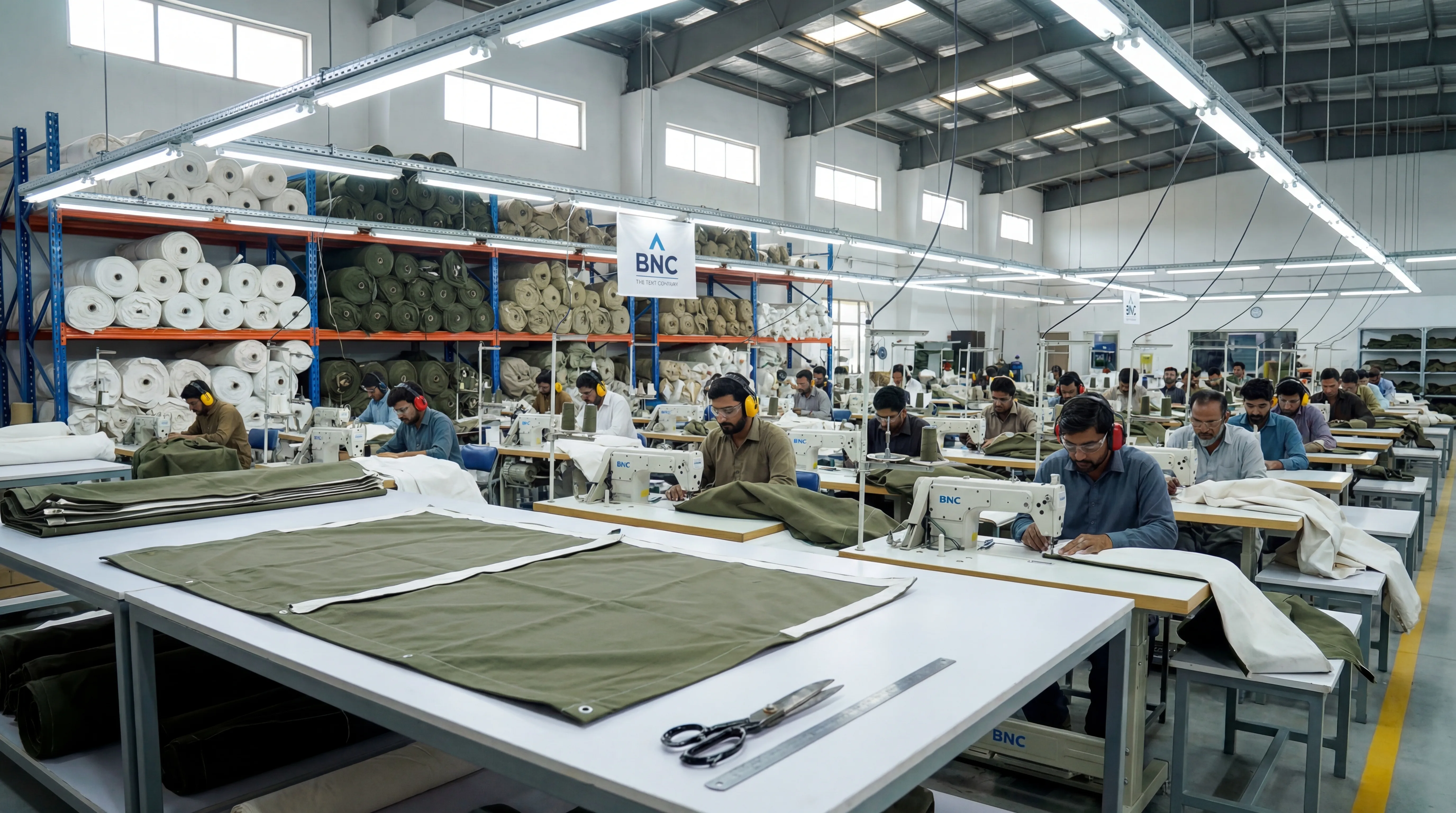
We build canvas wall tents at our factory in Karachi — for hunting outfitters, glamping operators, military buyers, and everyone in between. This guide covers the things we think matter most when choosing one.
What is a wall tent?
A wall tent is a tent with vertical walls and a peaked roof. Unlike a dome or A-frame tent where the walls slope inward from the ground, a wall tent has straight sides (usually 4 to 5 feet tall) with the roof pitch starting above that. This gives you usable floor-to-ceiling space along the entire perimeter, not just in the center.
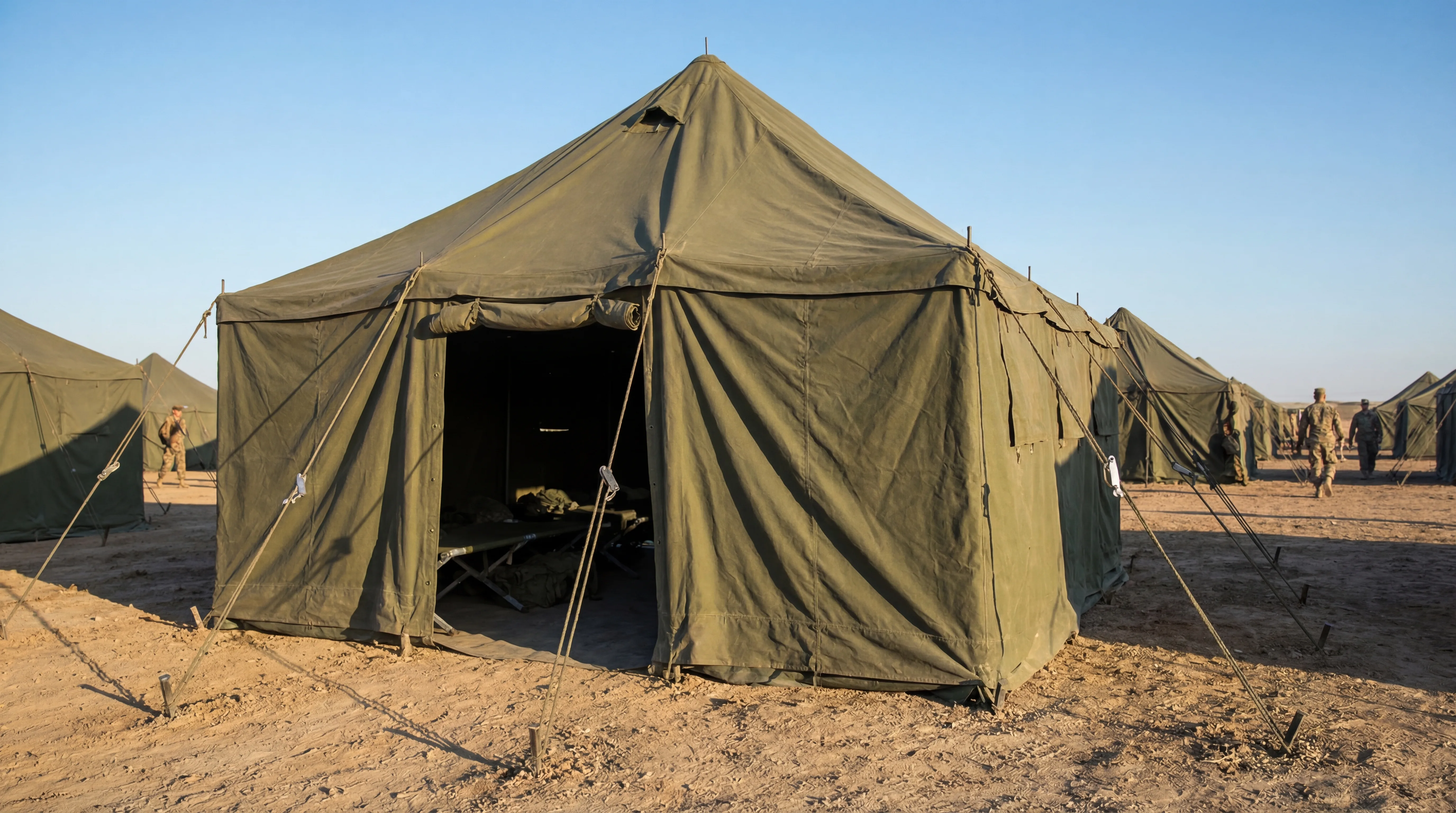
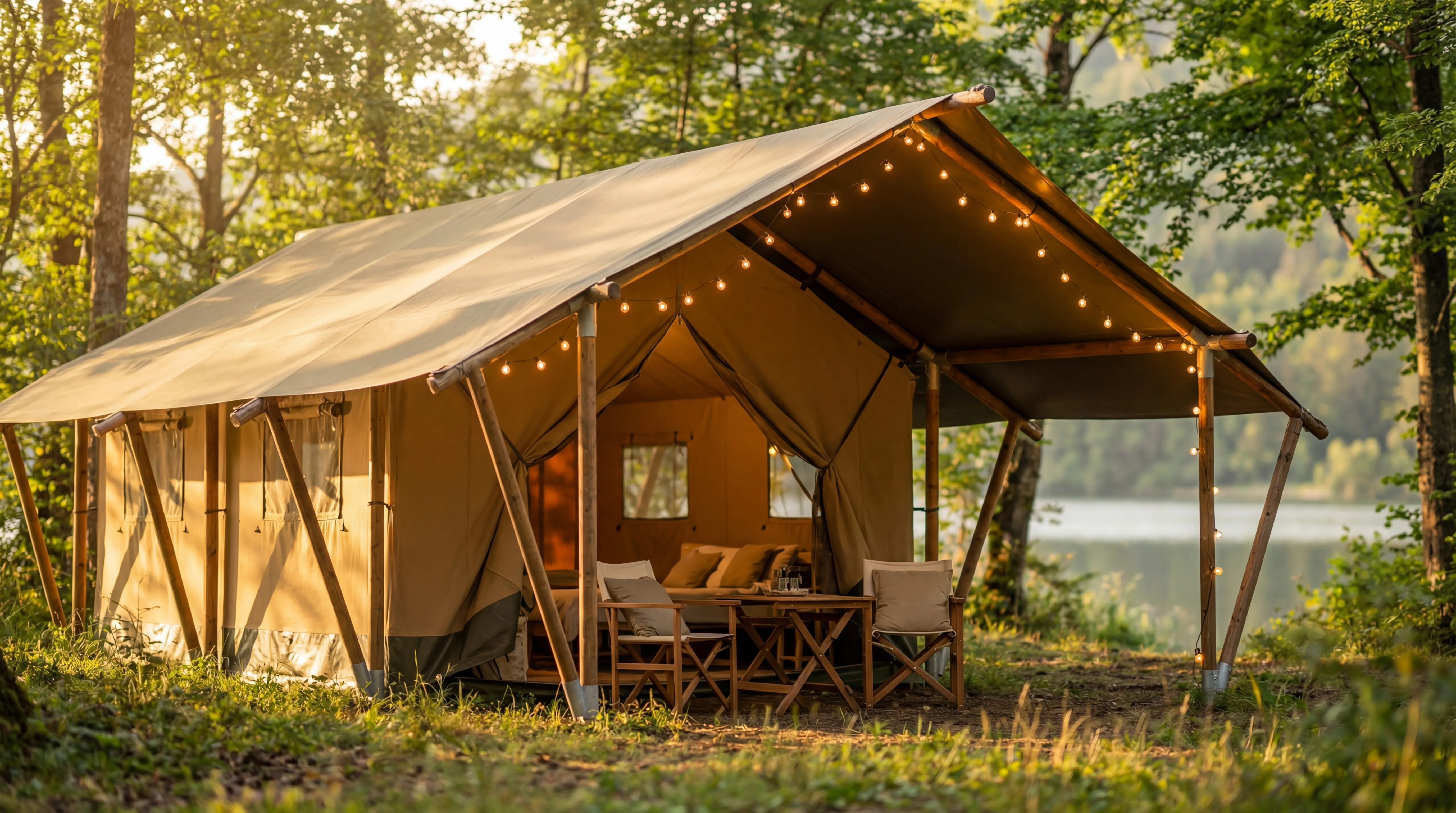
Wall tents were the original standard for military field camps, mining operations, and any situation where people needed to live in a tent for weeks or months rather than a weekend. They remain popular today for elk hunting camps in the Rockies, bush camps in Canada and Alaska, glamping setups, and semi-permanent outdoor accommodations.
The defining advantage of a wall tent over other tent styles is livable space. You can stand up anywhere inside, hang gear on the walls, put a cot against the side wall, and install a wood stove without the stovepipe hitting the roof 18 inches from the wall.
Canvas weight: how heavy should it be?
Canvas weight is measured in GSM (grams per square meter) or ounces per square yard. Here is how the common weights compare and where each makes sense:
- 280-320 GSM (8-10 oz): Lightweight canvas. Fine for fair-weather camping and glamping in mild climates. Not recommended for winter use or areas with heavy rain. Easier to pack and transport.
- 350-400 GSM (10-12 oz): Medium weight. A good all-around choice for three-season use. This is what most canvas tents are made from. It handles rain well, provides decent insulation, and is still manageable for transport.
- 440-510 GSM (13-15 oz): Heavy-duty canvas. Built for year-round use including winter camping with a stove. More durable, better insulation, and handles heavy snow loads. This is the weight range we recommend for anyone using a wall tent in cold climates or as a semi-permanent structure.
Heavier canvas costs more, weighs more, and takes longer to dry when wet. Lighter canvas is cheaper and more portable but wears out faster and does not insulate as well. There is no single "best" weight — it depends on how and where you plan to use the tent.
One thing to watch out for: some manufacturers quote canvas weight before treatment. The waterproofing and mildew treatments add weight, so a canvas listed as 350 GSM before treatment might be 380-400 GSM after. Always ask whether the GSM is pre-treatment or post-treatment.
Frame types
The frame holds the tent up. There are three common frame systems for wall tents.
External angle-iron frame
This is the most robust option. An external frame made from galvanized angle-iron or steel tubing supports the entire tent from outside. The canvas hangs on the frame like a skin. This type gives you the most interior space (no internal poles), handles wind and snow loads well, and lets you tighten the canvas properly.
The downside is weight and cost. An external frame for a 14x16 wall tent can weigh 60-80 kg. This is the right choice for drive-in camps or semi-permanent setups, but not for pack-in trips.
Internal ridge pole with uprights
A simpler system: two vertical poles at each end of the tent support a horizontal ridge pole. The canvas drapes over the ridge and the walls are held taut by guy ropes. This is lighter and cheaper than an external frame but gives you two poles inside the tent that you have to work around.
This is the traditional wall tent setup and it works well for camps where you will be mostly sleeping and cooking rather than using the tent as a workspace.
Rope and tree frame
The lightest option — you tie a ridge rope between two trees and stake out the walls. No metal frame at all. This only works if you have trees at the right spacing, and the tent will not be as taut or as storm-resistant as a proper frame setup. But if you are packing into remote backcountry on horseback, every kilogram matters.
Size guide
Wall tents are measured by floor dimensions (width x length). Wall height and peak height are separate measurements. Here is a practical sizing guide:
- 10x12 feet (3m x 3.6m): Comfortable for 2 people with gear. Tight for 3. Works for a solo hunter with a stove, cot, and table.
- 12x14 feet (3.6m x 4.3m): The sweet spot for 2-3 people. Room for two cots, a stove, and a small table. This is the most popular size for hunting camps.
- 14x16 feet (4.3m x 4.9m): Room for 4-5 people. Enough space for a proper cook station, dining area, and sleeping area. Good for outfitter camps serving clients.
- 16x20 feet (4.9m x 6.1m): A large wall tent suitable for group camps, glamping suites, or field offices. You can subdivide the interior with curtain partitions.
Wall height is typically 4 to 5 feet (1.2 to 1.5m) and peak height is 7 to 9 feet (2.1 to 2.7m). Taller walls give you more usable space but increase wind resistance and the amount of canvas needed.
Stove jacks
If you plan to heat your wall tent with a wood stove, you need a stove jack — a reinforced opening in the canvas where the stovepipe passes through. Getting this right is a safety issue, not just a comfort one.
A proper stove jack should have a heat-resistant flashing (usually silicone or fiberglass) that creates a sealed but insulated passage for the stovepipe. The jack should be positioned on the wall or roof away from where people sleep, and high enough that the stovepipe has adequate draft.
Most stove jacks are 4 to 6 inches in diameter. If you do not need a stove jack right away, some manufacturers (including us) can include a pre-cut jack covered with a canvas flap that you open when you are ready to install a stove.
One common mistake: putting the stove too close to the canvas wall. The minimum clearance between a stovepipe and the canvas edge of the jack should be at least 8 inches, and the stove itself should be at least 18 inches from any canvas surface. A spark screen on the stovepipe top is not optional.
Maintenance and waterproofing
Canvas wall tents need some care to last. Here are the basics:
Seasoning a new canvas tent: When you first set up a new canvas tent, spray it down with a garden hose and let it dry completely. Do this 2-3 times. This causes the cotton fibers to swell and close the tiny gaps in the weave. Most manufacturers treat canvas for water resistance, but seasoning ensures the fabric is fully weatherproof.
Drying before storage: Never pack up a wet canvas tent for long-term storage. Cotton canvas will develop mildew within days if stored wet. If you have to take it down in the rain, set it up again as soon as possible to dry, or hang it in a garage.
Reproofing: After 2-3 years of regular use, the waterproofing treatment may wear thin. You can reproove canvas with spray-on or brush-on waterproofing products. Some people use beeswax-based treatments, which work well but add weight.
Patching: Small tears or holes can be patched with canvas patches and fabric glue or sewing. Most tent manufacturers include a repair kit with the tent.
What affects the price
Canvas wall tents range from a few hundred dollars for a lightweight import to several thousand for a heavy-duty custom build. The main cost factors are:
- Canvas weight and treatment: Heavier canvas costs more. Fire-retardant treatment adds 10-15% to the canvas cost.
- Size: Bigger tent, more fabric, more frame material, higher price. The relationship is roughly linear.
- Frame inclusion: Some manufacturers sell the canvas tent only and you buy the frame separately. Others include it. Make sure you are comparing apples to apples.
- Accessories: Stove jack, floor, porch/awning, interior dividers — each adds cost.
- Where it is made: Tents manufactured in Pakistan or China cost less than those made in the US, Canada, or Europe, primarily due to labor costs. The materials can be identical.
Our advice: buy the heaviest canvas you can afford for your use case, and do not cheap out on the frame. The canvas is the skin, but the frame is the skeleton. A great tent on a weak frame is a tent that collapses in the first real storm.