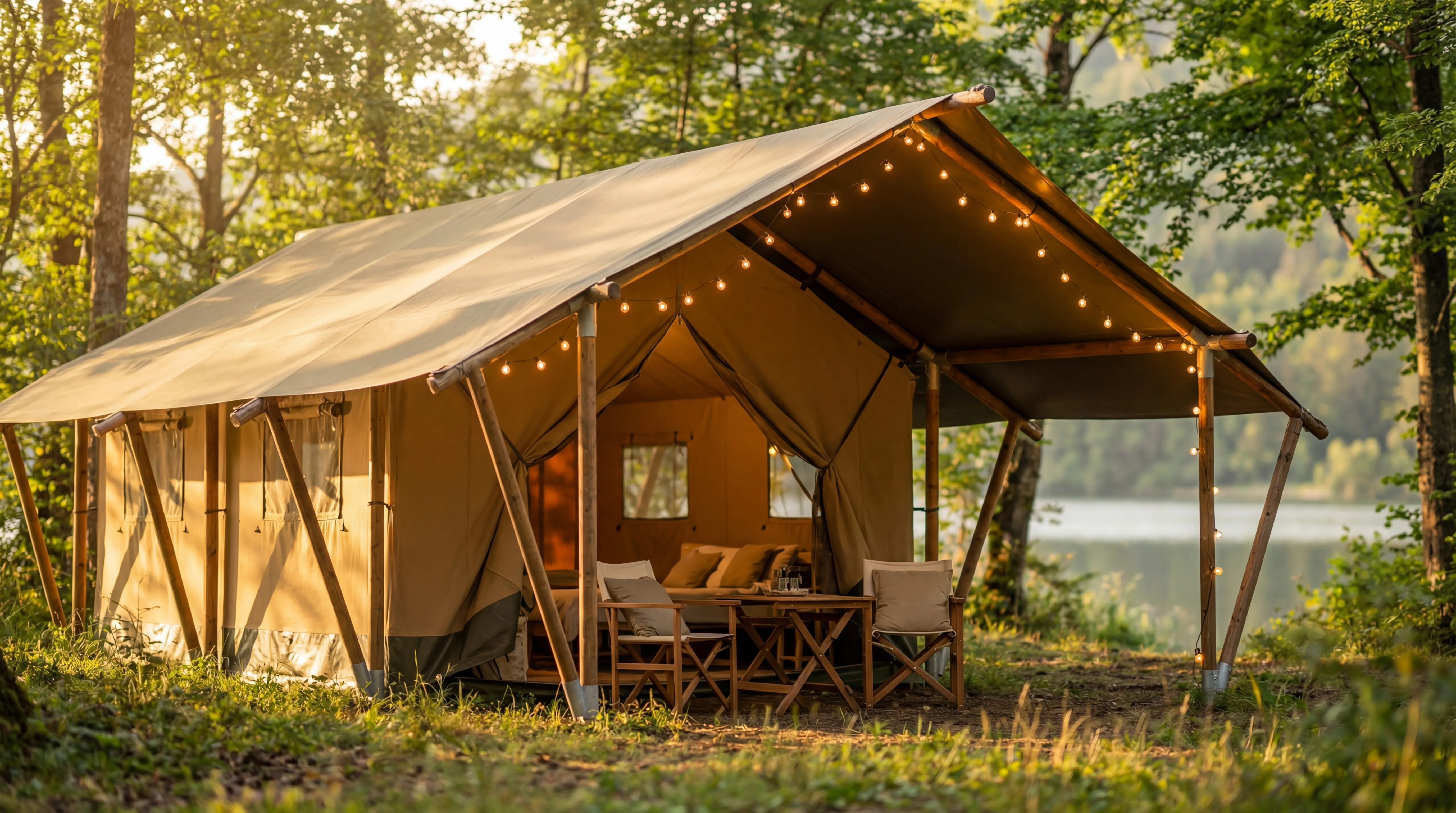
UNHCR specification tent — white cotton canvas family shelter manufactured by BNC Pakistan, deployed in a refugee camp setting
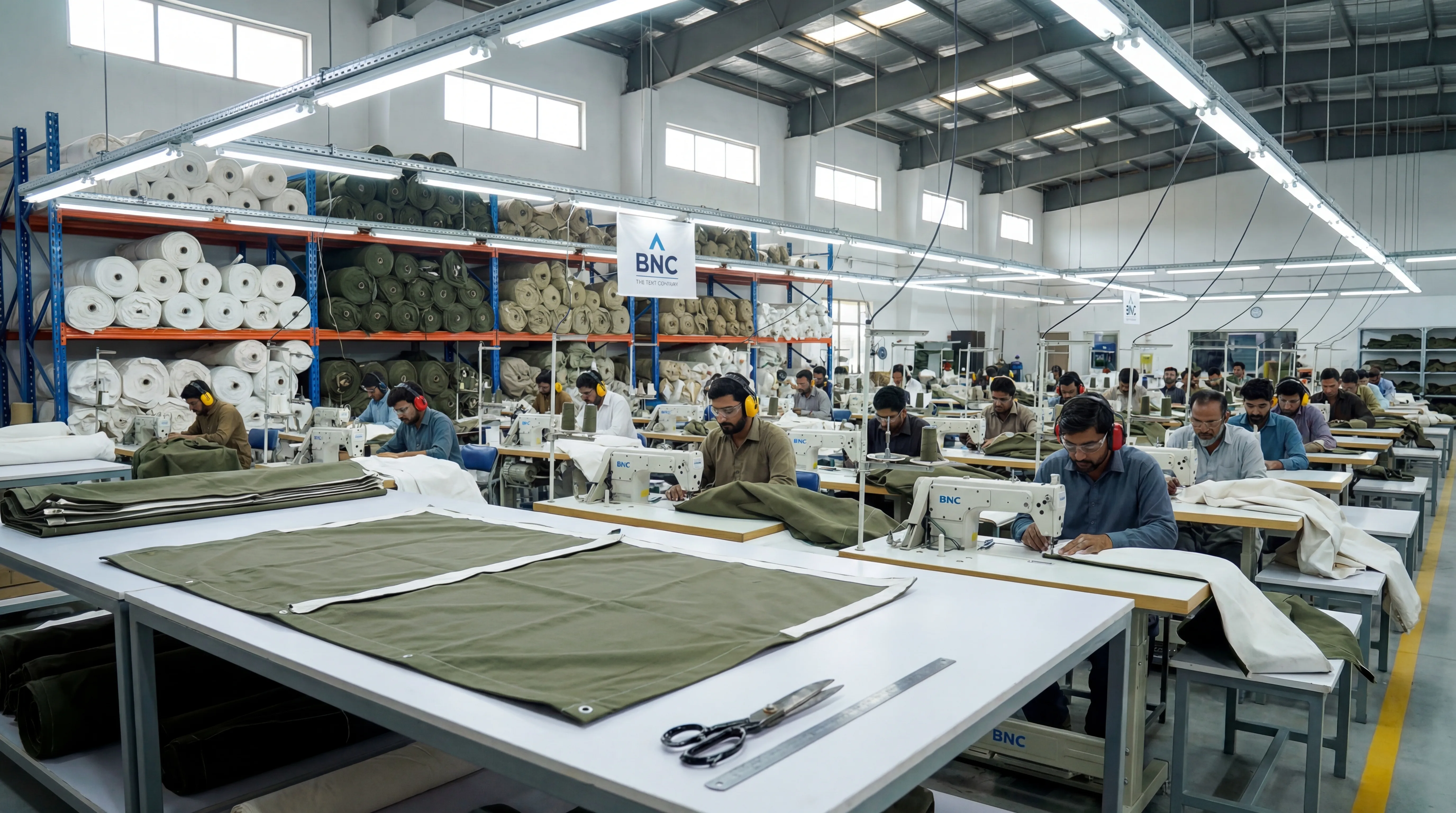
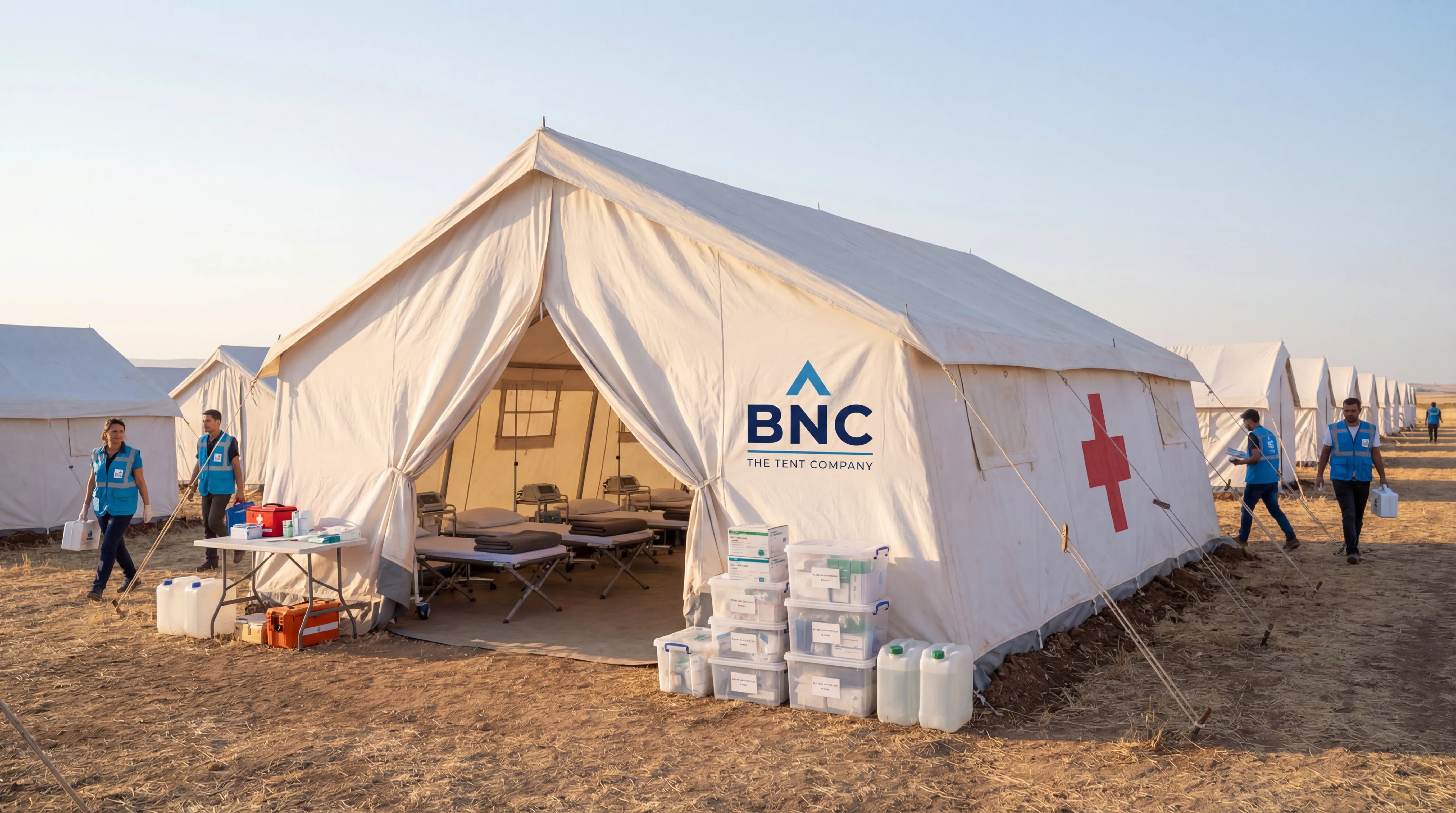
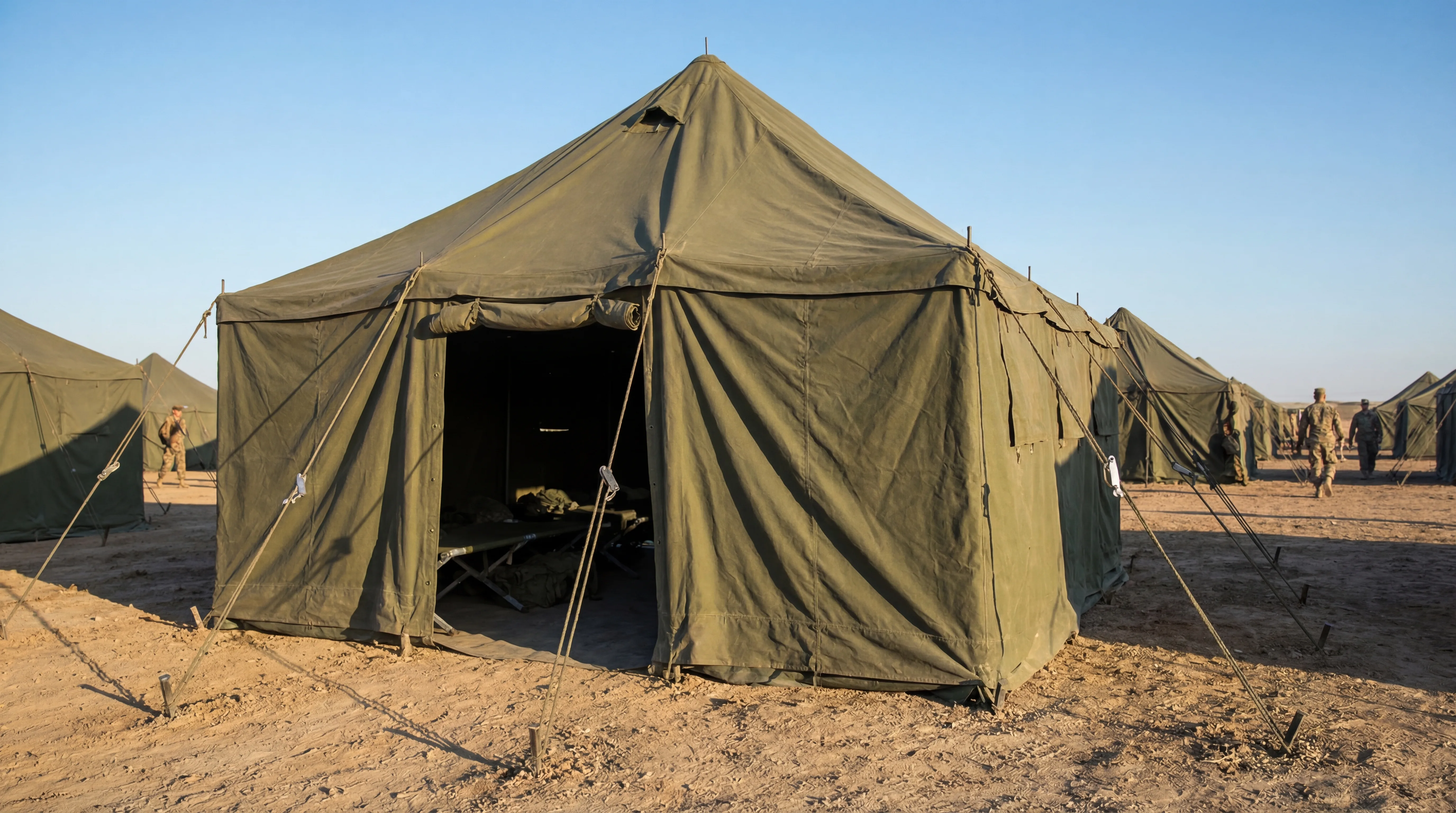
Rows of UNHCR tents deployed in an organized refugee camp at golden hour Inside BNC's tent manufacturing facility where UNHCR specification tents are produced Large-format UNHCR tent used as a field facility in humanitarian operations
READY STOCK UNHCR SPECIFICATION ISO CERTIFIED

UNHCR Specification Tents

Refugee shelters manufactured to exact UNHCR technical specifications. Waterproof cotton canvas, galvanized steel frames, tested and certified. BNC has been a registered UNHCR tent supplier for over two decades.

20+
Years UNHCR
40+
Spec Tests
50+
Countries
Request a Quote

Or call +92 300 823 9990 — available 24/7 for emergencies

Trusted by

UNHCR ICRC UNICEF OXFAM Red Cross

What is a UNHCR tent, and what makes it different from a regular tent?

A UNHCR tent is a shelter that has been designed, tested, and certified to meet the technical specifications published by the United Nations High Commissioner for Refugees. These are not suggestions or guidelines. They are hard requirements. If your tent does not pass UNHCR testing, it will not be procured through the UN system, full stop.

The reason these specifications exist is straightforward: when you are sheltering families who have lost everything, the tent cannot fail. It cannot leak during a monsoon. It cannot collapse under moderate wind. It cannot trap heat in a desert summer or let freezing air pour in during a mountain winter. Regular camping tents or cheap polyester shelters do not survive these conditions. UNHCR tents are engineered to perform for 12 months or more in the harshest environments on earth.

BNC has been manufacturing UNHCR specification tents since the late 1990s. We are a registered supplier with UNHCR, and our factory in Karachi has dedicated production lines for these tents. When UNHCR publishes updated specifications — which happens periodically as they learn from field performance data — we update our production accordingly. This is not a sideline for us. It is a core part of what we do.

The difference between a UNHCR tent and a regular tent comes down to materials, construction, and testing. Every element — from the canvas weight to the seam strength to the pole thickness — has a minimum requirement that has been set based on real-world performance in disaster relief and refugee camp environments.

UNHCR tent specifications: the full breakdown

Over 40 individual technical requirements govern what qualifies as a UNHCR-compliant tent. Here are the ones that matter most.

Canvas Weight & Treatment

Minimum 350 GSM cotton canvas, treated for waterproofing, rot resistance, and fungus resistance. The treatment must be applied to raw fabric before cutting — not sprayed on after assembly. BNC uses 380 GSM fabric and treats it in-house to control quality.

350-380 GSM Pre-cut treatment Cotton canvas

Waterproofing Performance

The canvas must resist sustained heavy rain without leaking through the fabric or the seams. Seam waterproofing is actually harder than fabric waterproofing — every seam on a BNC tent is double-stitched and sealed with waterproof tape.

Hydrostatic tested Taped seams Double-stitched

Wind Resistance

The structure must hold in sustained winds of 72 km/h. This means the frame, guy-ropes, pegs, and fabric all need to work together as a system. A tent that passes fabric testing but fails at the grommet points is still a failed tent.

72 km/h rated Steel grommets Reinforced points

UV Degradation Limits

Direct sunlight breaks down canvas over time. UNHCR specs set maximum UV degradation rates so the tent remains functional for at least 12 months of continuous sun exposure. The canvas treatment at BNC includes UV inhibitors blended into the waterproofing solution.

12+ month lifespan UV inhibitors Lab tested

Ventilation & Airflow

A sealed tent in a hot climate is a health hazard. UNHCR specs require ventilation panels that allow air circulation while keeping rain out. These are typically positioned high on the walls or near the ridge, with overlapping flaps that block water but allow airflow.

Rain-proof vents Cross-ventilation Adjustable flaps

Minimum Floor Area

UNHCR requires at least 3.5 square meters of usable floor space per person. A standard family tent (4m x 6m) provides 24 sqm — enough for a family of 5-6 with space for belongings. This is a minimum, not a target. More space is always better for the people living in it.

3.5 sqm/person 24 sqm family 5-6 person

UNHCR tent models we manufacture

Every model listed below meets current UNHCR specifications. All use cotton canvas and include complete accessory kits.

Model Size Canvas Capacity Weight Standard
UNHCR Family Tent4m x 6m x 2.8m380 GSM Cotton5-6 persons~85 kgUNHCR/IFRC
UNHCR Relief Tent4m x 4m x 2.7m380 GSM Cotton4-5 persons~65 kgUNHCR/ICRC
UNHCR Winterized Tent4m x 6m x 2.8mDouble 380 GSM + Thermal5-6 persons~110 kgUNHCR Winter
UNHCR Center Pole Tent4m x 4m x 2.6m380 GSM Cotton4 persons~55 kgUNHCR
UNHCR Lightweight Tent3m x 4m x 2.5m350 GSM Cotton3-4 persons~45 kgUNHCR Rapid

All models include poles, pegs, guy-ropes, and repair kit. PE ground sheets available separately. Need something different? We do custom manufacturing.

The UNHCR testing and certification process

Getting a tent certified to UNHCR specifications is not a matter of filling out paperwork. It involves physical testing of sample tents at approved laboratories, factory inspections by UNHCR procurement officers, and ongoing quality monitoring of production batches.

The testing process covers individual material properties first. Canvas samples are tested for tensile strength, tear resistance, waterproofing (hydrostatic head test), UV degradation, flame retardancy, and dimensional stability after wetting. The fabric has to perform within specified ranges on every single test. Fail one, and the tent fails.

Then the complete assembled tent is tested. This includes erection testing (can two untrained people set it up in under 30 minutes using only the included instructions?), wind loading in a controlled environment, rain simulation for sustained periods, and structural integrity under load. The tent also gets inspected for finishing quality — stitching consistency, grommet placement accuracy, pole fit, and zipper operation.

BNC has gone through this process multiple times as specifications have been updated. Our quality control team runs the same tests in-house before we submit samples for official UNHCR testing. We test every production batch, not just the initial sample. That is the difference between a manufacturer who treats certification as a one-time hurdle and one who treats it as a continuous standard.

For organizations that need tents meeting UNHCR specs but are purchasing outside the UN procurement system — national disaster management agencies, for example, or NGOs running their own operations — we manufacture the same tents to the same standards. The specification is the specification regardless of who is buying.
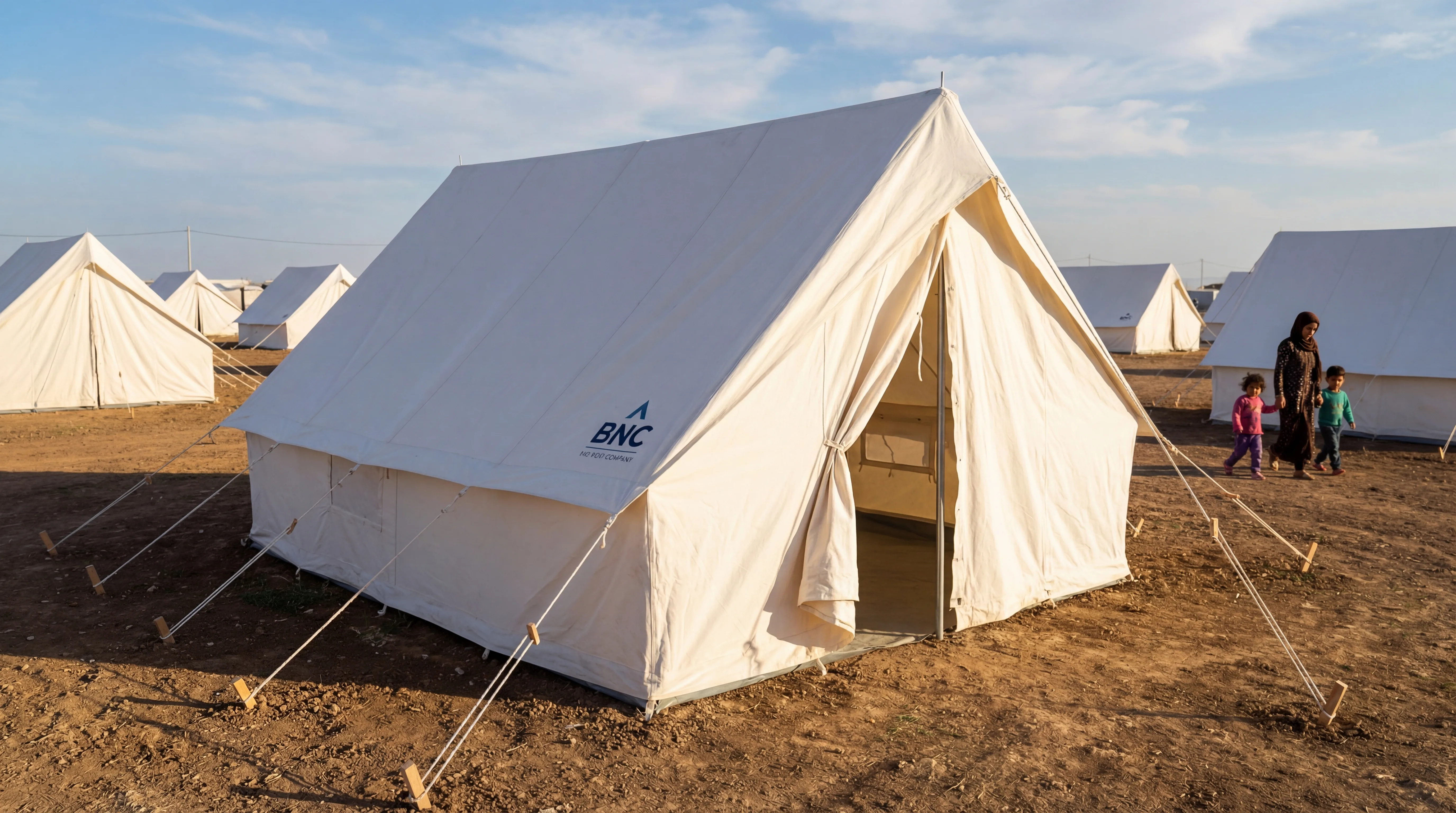
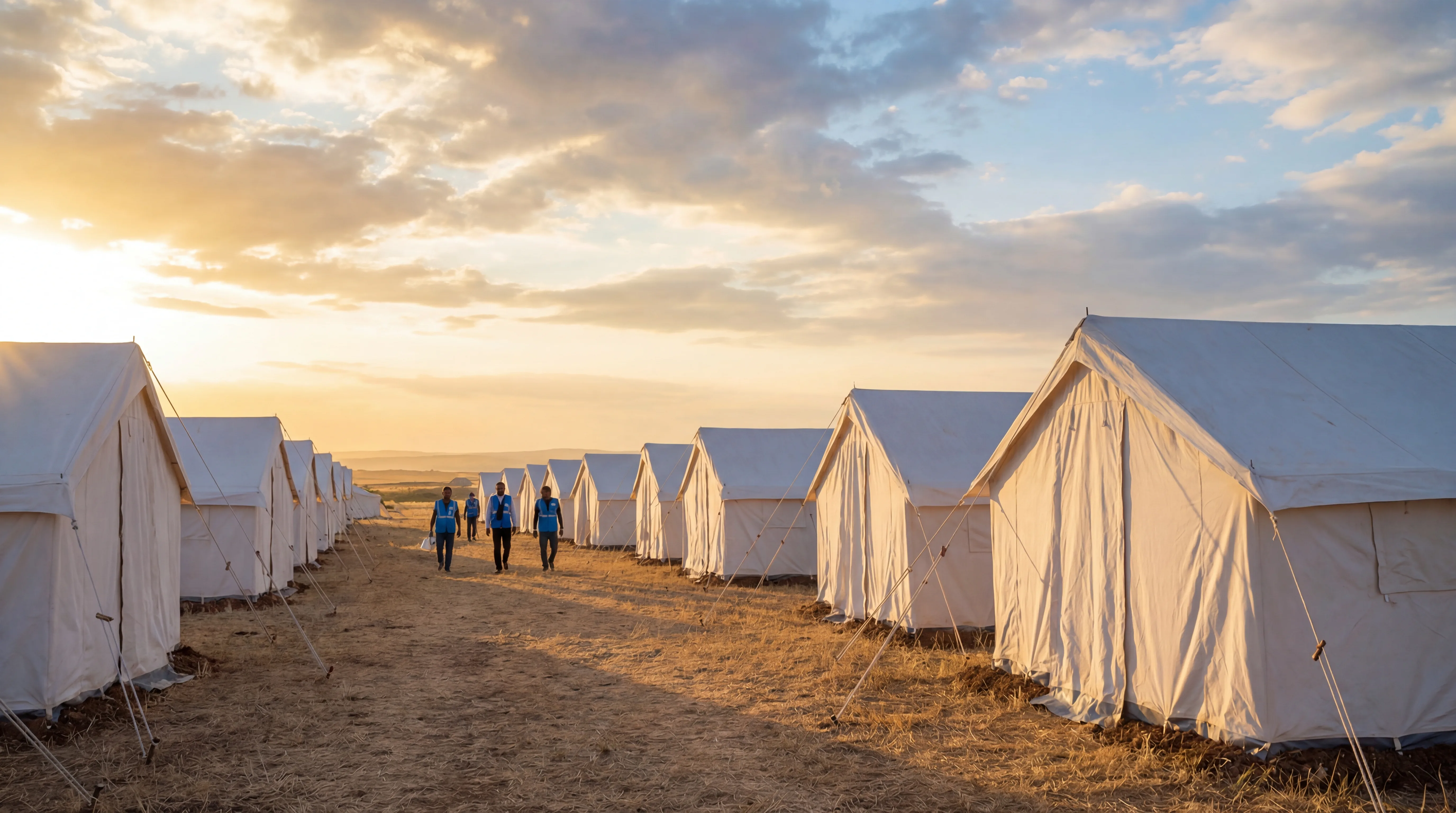
UNHCR specification tents deployed in rows at a refugee camp — manufactured by BNC Pakistan

BNC's history supplying UNHCR

BNC started manufacturing tents in 1994, and we began supplying UN agencies in the late 1990s. Our first large UNHCR order was for the Afghan refugee crisis — thousands of family tents shipped to camps in Pakistan's northwest frontier. That order taught us what matters in this business: speed, consistency, and the ability to scale production without dropping quality.

Since then, we have supplied UNHCR tents for operations in Pakistan, Afghanistan, Syria, Iraq, Yemen, East Africa, and Southeast Asia. We have also manufactured for UNICEF, UNDP, ICRC, Red Cross, OXFAM, Muslim Aid, and ADRA. Each agency has slightly different procurement processes, but the underlying tent specifications are largely aligned because they all reference UNHCR standards as a baseline.

Our factory in Karachi runs dedicated production lines for UNHCR specification tents. This is not a case of switching between product types on the same line. The relief tent lines have their own cutting tables, their own sewing stations, and their own quality control checkpoints. This is how we maintain consistency across batches of thousands of tents.

We keep rolling stock of the most commonly ordered UNHCR models — the family tent and the standard relief tent — in our warehouse at all times. When an emergency happens and UNHCR or another agency needs tents immediately, we can begin shipping within 24 to 72 hours. Our location near Karachi's international airport and seaport makes logistics straightforward for both air freight and sea shipment.

Why buy UNHCR tents from BNC

Registered UN supplier

We are registered with UNHCR, UNICEF, and UNDP. These registrations are earned through factory inspections, product testing, and delivery track record. They are not purchased or self-declared.

Direct manufacturer

We own the factory. We cut the canvas, sew the seams, galvanize the poles, and pack the tents. There is no middleman between your order and production. This means tighter quality control and better pricing.

In-house testing

We run UNHCR specification tests on every production batch in our own facility before tents ship. Canvas strength, waterproofing, seam integrity, dimensional accuracy — checked before it leaves the factory.

Ready stock for emergencies

We maintain warehouse stock of standard UNHCR family tents and relief tents. When emergencies happen, we ship within 24-72 hours. Our facility near Karachi's ports makes global logistics fast.

Custom specs welcome

Need UNHCR-base specs with modifications? Different dimensions, winterization, custom branding, or compliance with additional national standards? We handle custom orders regularly.

30+ years experience

BNC was founded in 1994 and has been manufacturing tents for humanitarian operations across the Middle East, Africa, South Asia, and Central Asia. We know what works in the field because our tents are there.

UNHCR vs IFRC tent standards: how they compare

Organizations sometimes ask us about the difference between UNHCR and IFRC (International Federation of Red Cross and Red Crescent Societies) tent standards. The short answer: they overlap about 80%, but they are not identical.

Both standards require heavyweight cotton canvas (350+ GSM), waterproof treatment, wind resistance to 72 km/h, UV protection, and adequate ventilation. The minimum floor area per person is the same at 3.5 square meters. Where they diverge is in some of the specifics around pole types (IFRC allows more flexibility), marking requirements (IFRC has specific emblem standards for Red Cross branding), and testing protocols.

UNHCR tends to emphasize long-term durability because their tents often stay in use for years in protracted refugee situations. IFRC specs lean slightly more toward rapid deployment and initial disaster response, though the durability requirements are still high. In practice, a tent that meets UNHCR specs will generally meet IFRC requirements too, with minor modifications for branding and marking.

BNC manufactures tents to both UNHCR and IFRC standards. We also produce tents that meet ICRC specifications and various national standards. If you are not sure which standard applies to your situation, contact us and we can advise based on your end use and procurement context. We also manufacture military specification tents for defense applications where the standards are different again.

Frequently asked questions about UNHCR tents

What is a UNHCR tent?
A UNHCR tent is a shelter manufactured to the technical specifications published by the UN Refugee Agency. These specs define exact requirements for canvas weight, waterproofing, wind resistance, UV protection, ventilation, floor area, and structural integrity. Only tents that pass UNHCR laboratory testing and factory inspection qualify for procurement through the UN system. BNC has been a registered UNHCR tent supplier for over 20 years.
What are UNHCR tent specifications?
UNHCR tent specifications cover over 40 technical requirements. The main ones: minimum 350 GSM cotton canvas with waterproof/rot-proof/fungus-resistant treatment, wind resistance to 72 km/h, at least 3.5 square meters of floor space per person, UV degradation limits for 12+ months of outdoor exposure, adequate ventilation panels, galvanized steel or aluminum frames, and fire retardant treatment. Seam strength, tear resistance, and dimensional accuracy after wetting are also tested.
How to become a UNHCR tent supplier?
Register on the UN Global Marketplace (UNGM), submit your company profile and manufacturing documentation, and apply for inclusion on the UNHCR supplier roster. UNHCR will conduct a factory inspection and request tent samples for laboratory testing. You need ISO certification, demonstrated production capacity for large orders, and the ability to meet delivery timelines. The process typically takes 6-12 months from initial application to approval.
What is the difference between UNHCR and IFRC tent standards?
UNHCR and IFRC standards share about 80% of their requirements — both specify heavyweight cotton canvas, waterproof treatment, 72 km/h wind resistance, and 3.5 sqm per person minimum floor area. UNHCR emphasizes long-term durability for protracted refugee situations (12+ months). IFRC has additional requirements for Red Cross emblem placement and allows slightly more flexibility in pole design. A tent built to UNHCR specs can usually meet IFRC standards with minor modifications.
How much does a UNHCR tent cost?
Pricing depends on tent model, quantity, and shipping destination. As a direct manufacturer with our own factory in Karachi, BNC offers factory pricing without trading company markups or agent fees. A UNHCR family tent from BNC costs significantly less than the same tent sourced through a middleman. Contact us with your requirements and we will send a detailed quote within 24 hours.

Other products

Need UNHCR specification tents?

Whether you are a UN agency, an NGO, or a national disaster authority, we manufacture UNHCR-compliant tents at factory-direct pricing. Tell us what you need and we will get you a quote within 24 hours.

Request a Quote

or call +92 300 823 9990 (24/7 emergency line)

Request a Quote Call Now